Slideshow Items
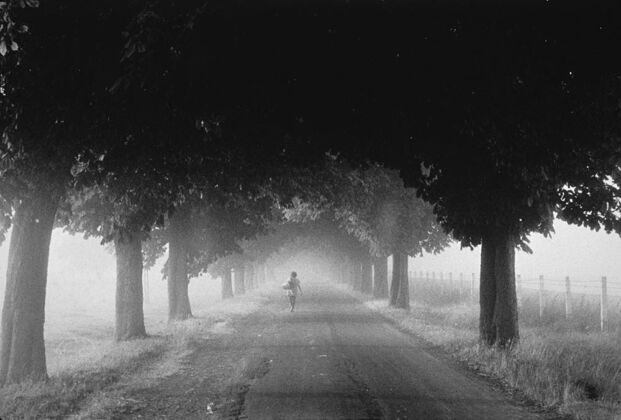
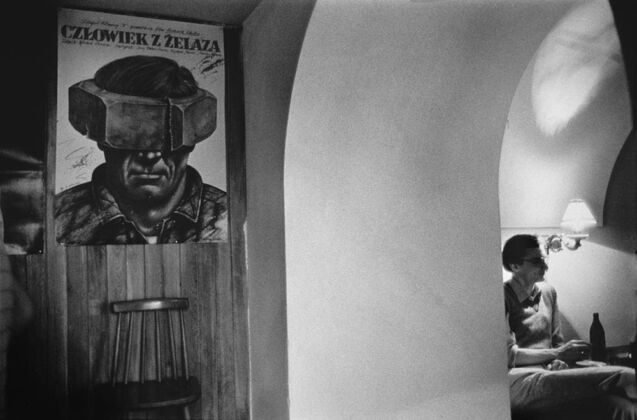
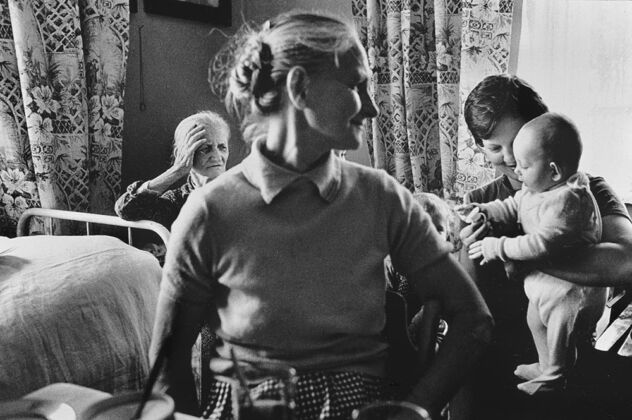
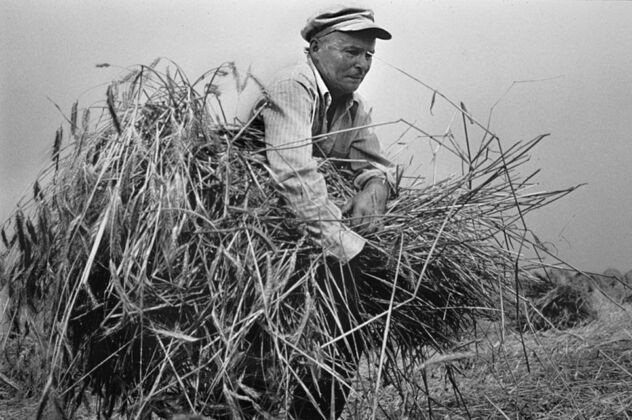
Photojournalist Dennis Chamberlin has worked for a number of publications throughout the world but most of his professional career was spent living and working in Poland. He covered the fall of communism and reintegration of Europe for various international publications for over 15 years. He now lives in Iowa.
I first visited Poland during the final days of martial law. I was in search of family roots and in addition to finding family I also found a place where I felt at home. The summer of 1983 opened my eyes to the possibilities that lay before me. In the past 25 years Poland has changed dramatically but there is something indelible about that country during the 1980s that makes it hard to let go.
Slideshow Items
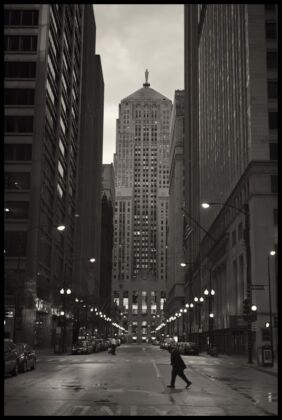
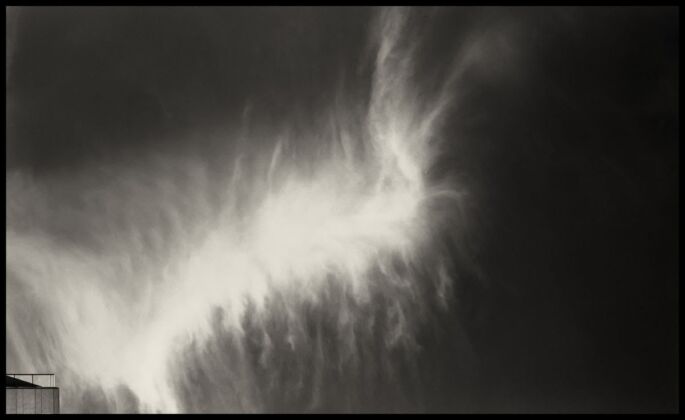
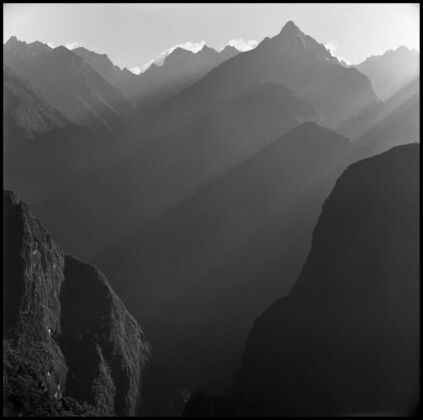
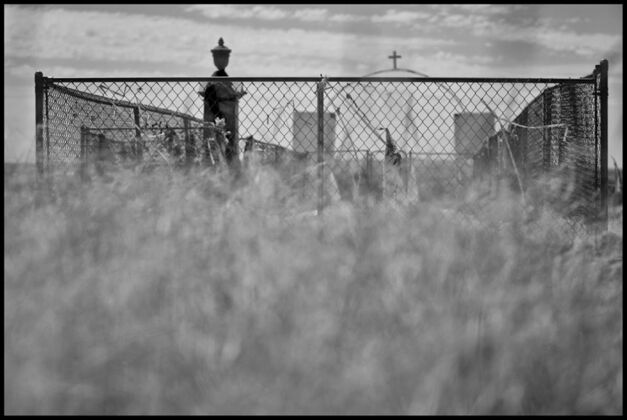
David Tepper is a Chicago based photographer. David works mainly in a black and white medium, either with digital or film cameras. First inspired by Minor White, and later by Imogen Cunningham, Irving Penn, Paul Caponigro, Douglas Beasley, Clelia Belgrado, and painters such as Vermeer, and Alejandro Rosemberg. David focuses on his sense of intuition and sensitivity as a means to create images of people and places. He hopes that his images are seen as offerings. Images that engage the viewer to see the human spirit. Images that engage the viewer to see beyond a seemingly simple landscape. Images that ask more questions than they answer. Images that show that we are all connected.
Slideshow Items
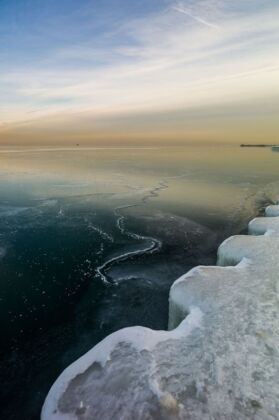
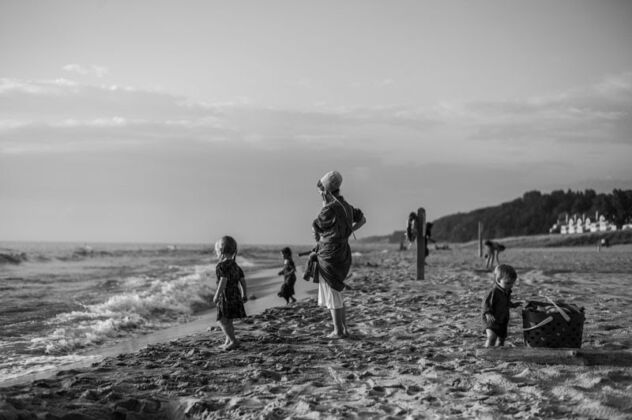
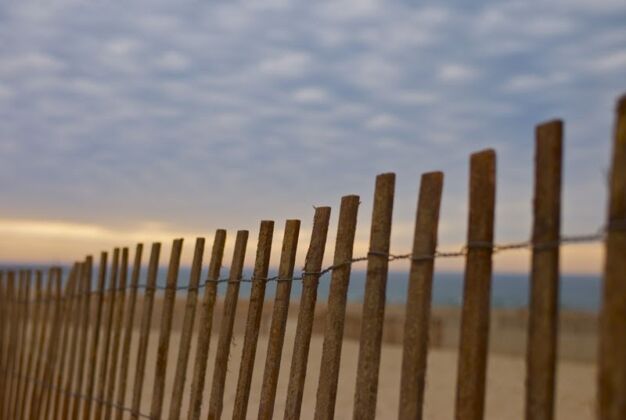
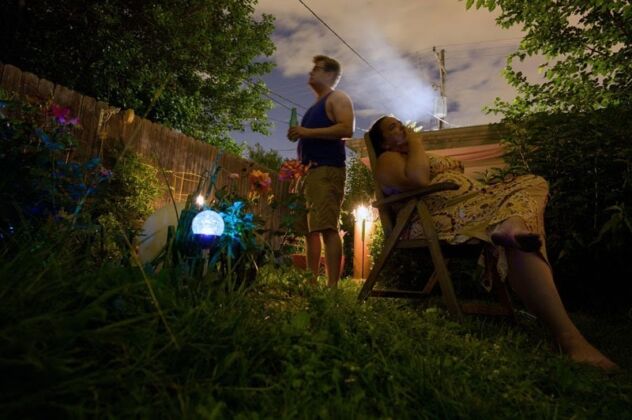
Born in Bangkok and trained at the Pacific Northwest School of Photography, Phillip Tawanchaya travels regularly with his Leica to world cities for his day job as a flight attendant. His work ranges among landscapes, cityscapes, photojournalism and portraiture, capturing urban moods and the people in them both internationally and at home here in Chicago. got2photo.com
Slideshow Items
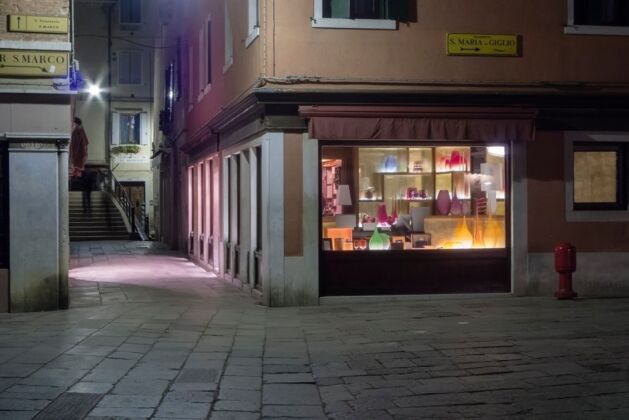
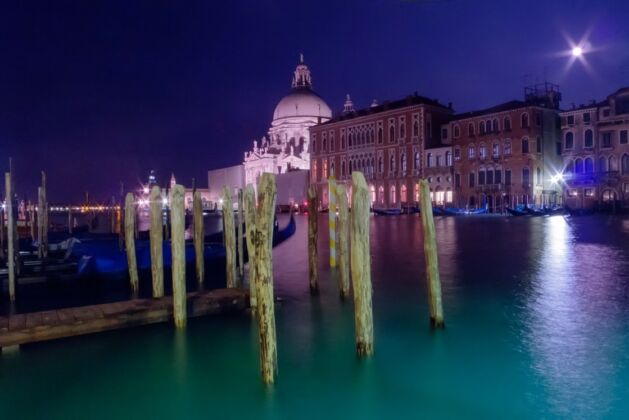
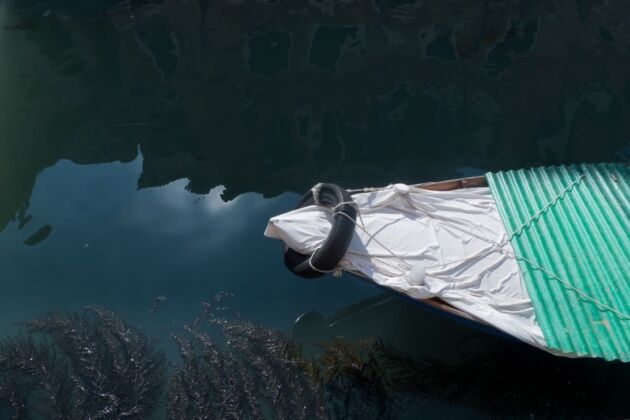
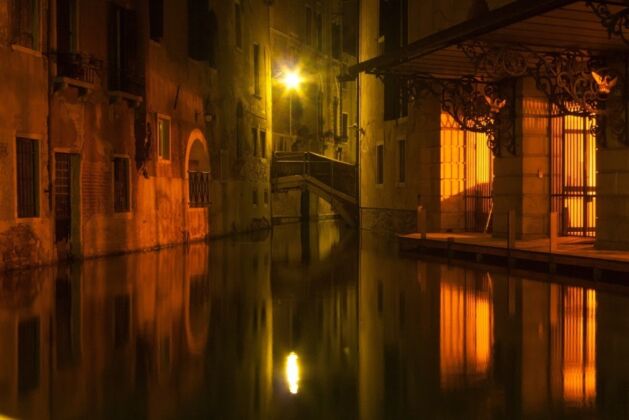
Jim Meacci: Hard to track down. Suspected to have lived in New York, Los Angeles, Chicago, Memphis, Pittsburgh, PA, Rochester, NY, and Brescia, Italy, he can be spotted in the landscape, collecting stories from people, camera in hand, with a piano on his back. He loves to sing, make pictures, and write about it all. jimmeacci.com
Slideshow Items
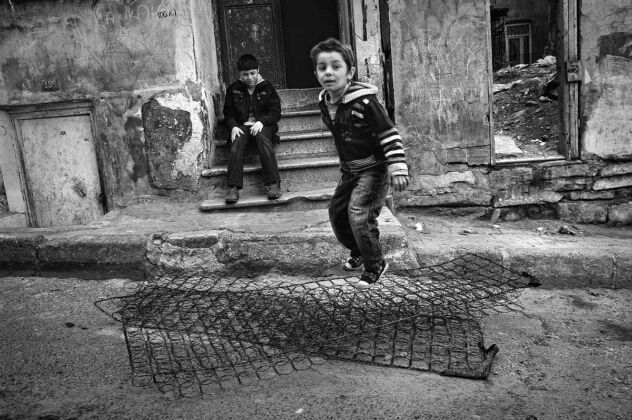
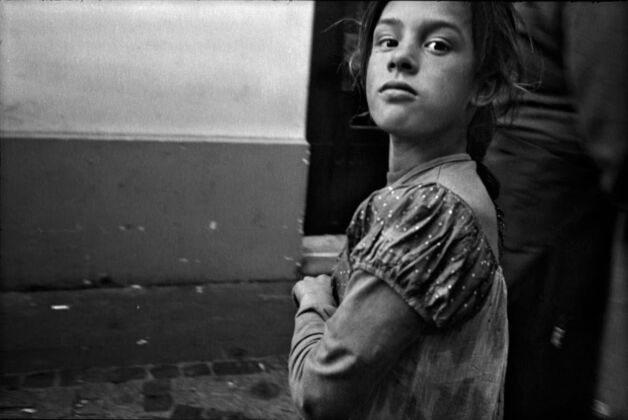
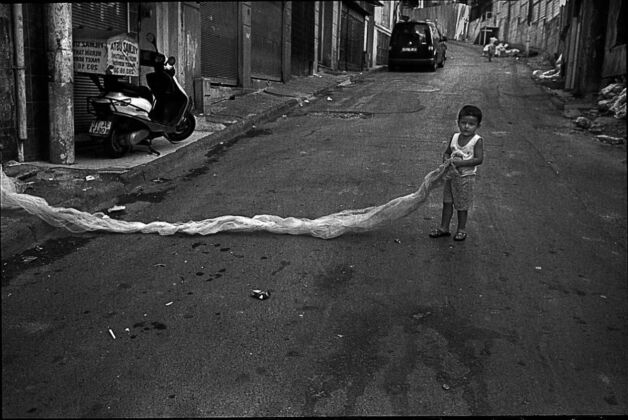
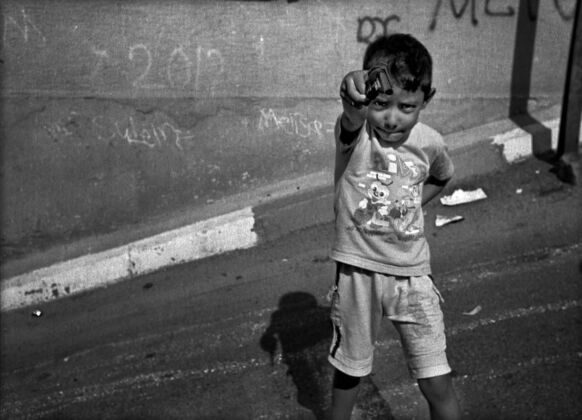
Photography, as I view it, is a distillation of reality into a personal vision: a subtractive process.
This project has been my mirror - an attempt to deconstruct the illusions that make up our reality. I document my experiences, capturing scenes and split-second details as I see them, trying to share the diversity of the world I experience with the audience. Seeing with the camera is the best way I have found to feel close to the earth. My photography is an essential manifestation of my aliveness.
Slideshow Items
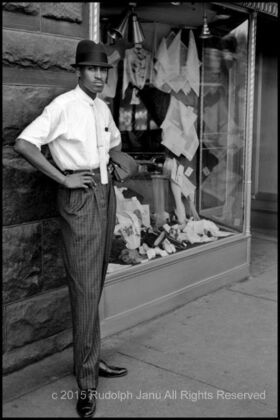
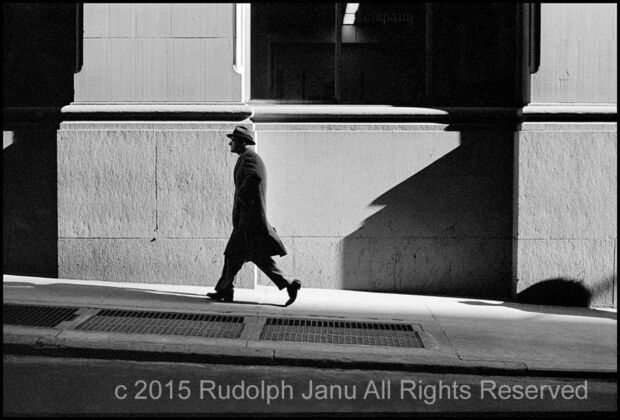
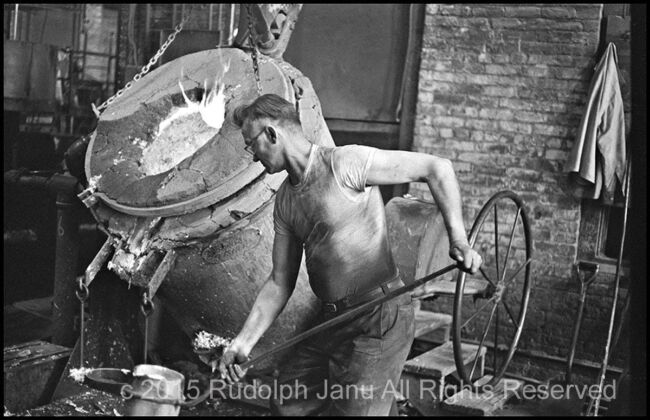
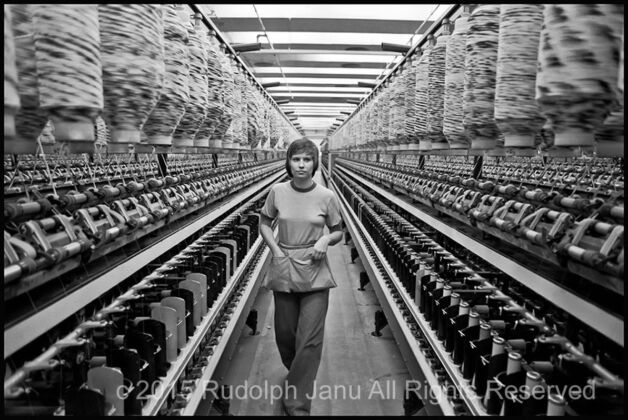
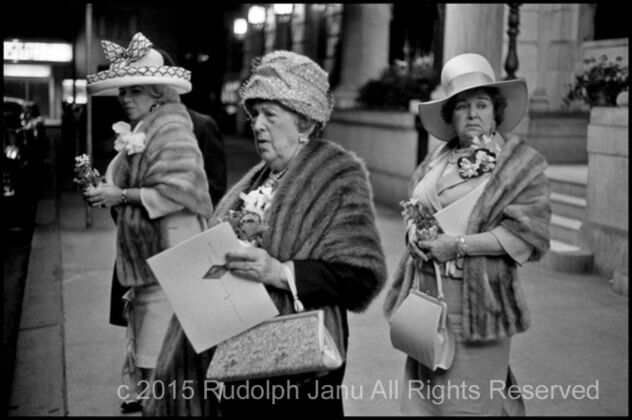
After working as a commercial artist, a young Rudolph Janu saw photographs by Cartier-Bresson and was so impressed that he decided on the spot to become a photographer. Janu’s career included commercial, architectural and magazine photography but by far his favorite was his street photography – capturing people in unguarded moments.
“Photography is a continuing visual engagement with life. What I see as a photographer is what I see as a man. My photographs are my journals, a measure of my response to life. The concept of expressing a total idea or sentiment in a single photograph is impossible to achieve. It is only through a constant re-working of what I feel to be the one or two truths of existence that anything approaching this ideal of a total statement can emerge."
Slideshow Items
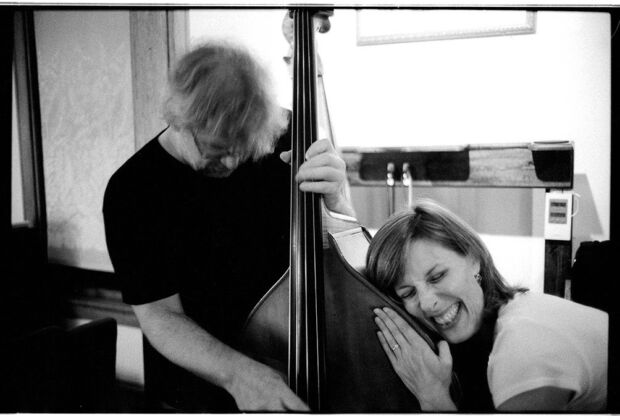
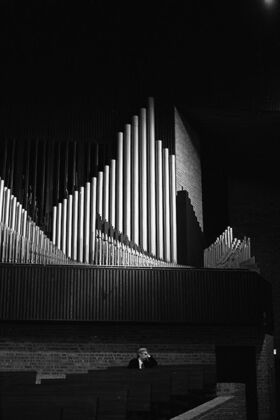
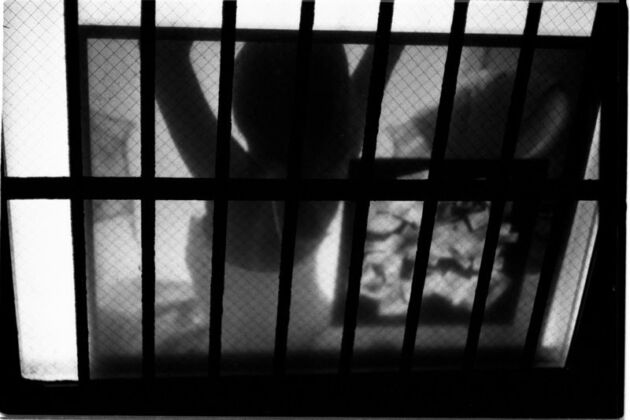
"Bob's first professional assignment was to shoot a solar eclipse for the American Astronomical Association in 1972, and he worked freelance until he joined the Miami News Bureau in 1982. After leaving Miami he returned to freelancing, producing photos for brochures, CDs & vinyl, and websites, as well as black & white images for publications including the New York Times and Chicago Tribune. In 1997 he began shooting art projects; the photos on display here are from several of these collections. Bob’s work is currently on display in the Marquette Park Pavilion and The DePaul Art Museum. Bob shoots with a variety of gear in various formats, and Leica equipment has figured prominently in his images.
Slideshow Items
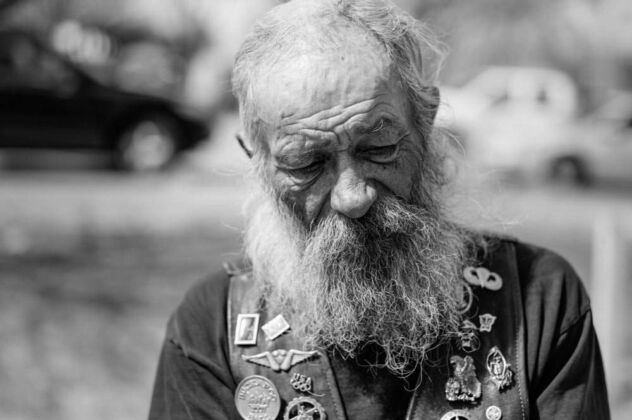
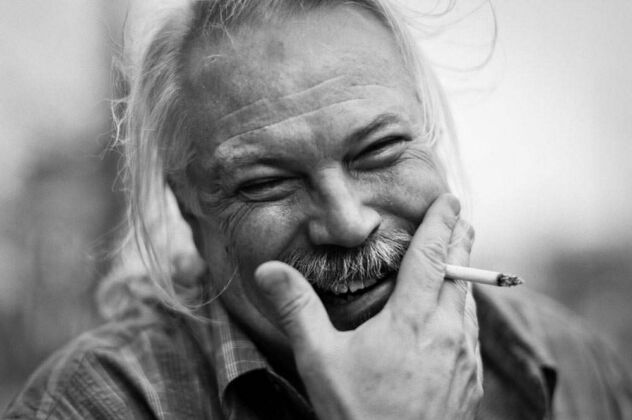
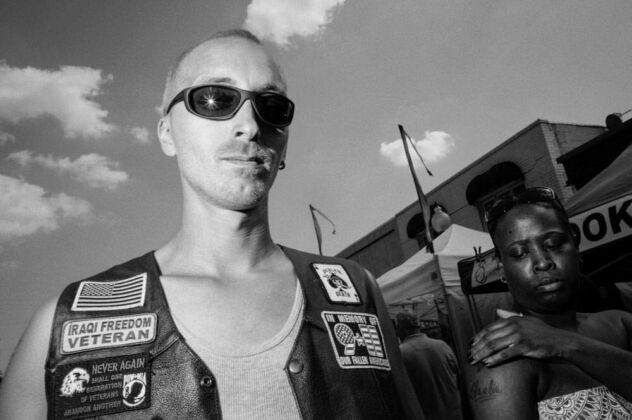
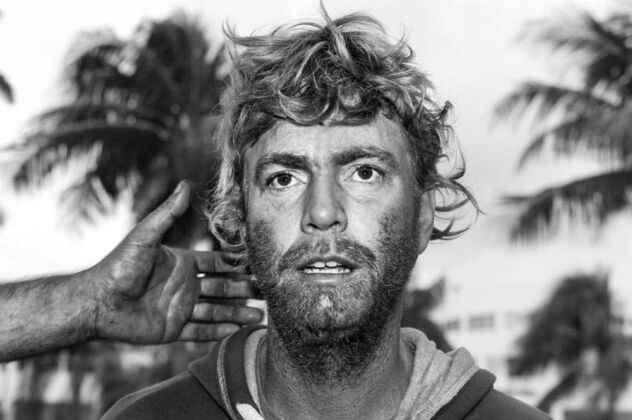
"Conversations with Strangers" is an exhibit of portraits taken across the US, from rural New Mexico to New York City, but mainly in northwest Indiana. DiBiase engages subjects directly and makes photos during these conversations, which may last a couple minutes or several days. Endlessly fascinated by faces, eyes, and texture, DiBiase seems equally curious about what two strangers choose to share with one another – how quickly trust can develop, or how guarded we can each be. DiBiase’s images are a product of these brief relationships between two strangers – the photographer and his or her subject.
Slideshow Items
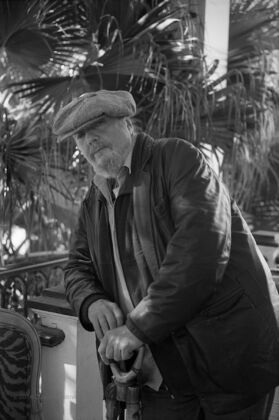
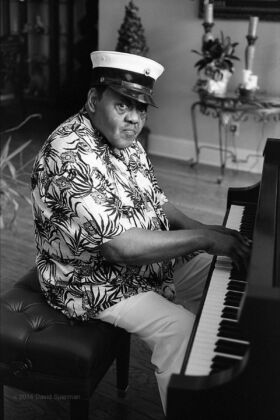
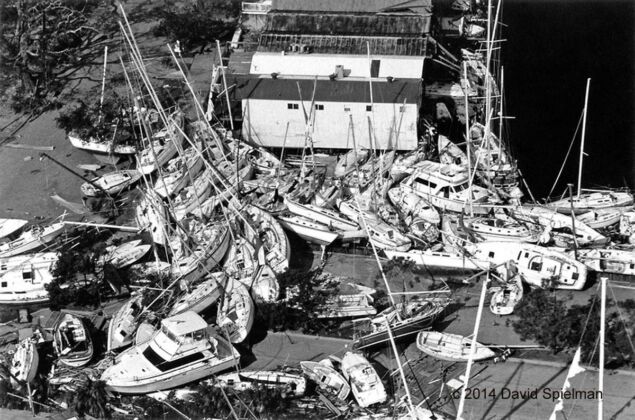
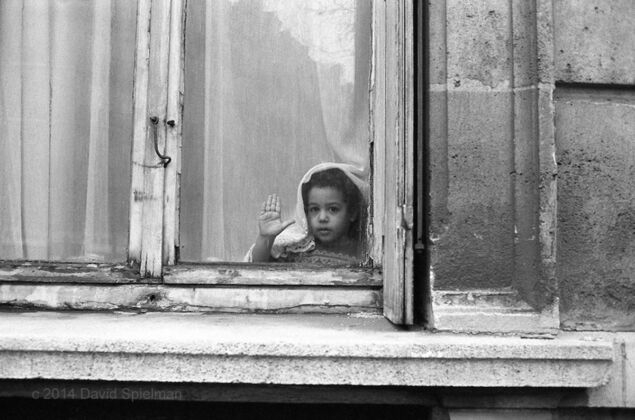
David Spielman has traveled the globe with his cameras and has published three books: Southern Writers, Katrinaville Chronicles, and most recently When Not Performing (a collection of portraits of beloved New Orleans musicians, when not on stage). New Orleans is home for Mr. Spielman – his gallery and darkroom are located in the middle of the Garden District in a century-old skating rink. He remains influenced strongly by Walker Evans, Robert Frank and Henri Cartier-Bresson.
Slideshow Items
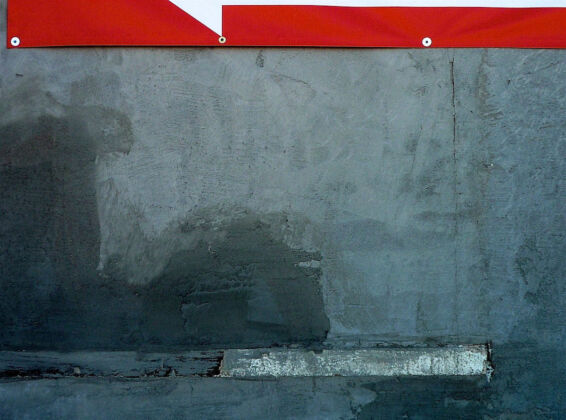
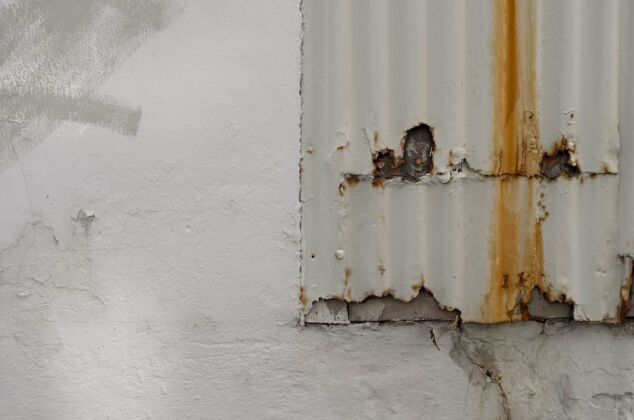
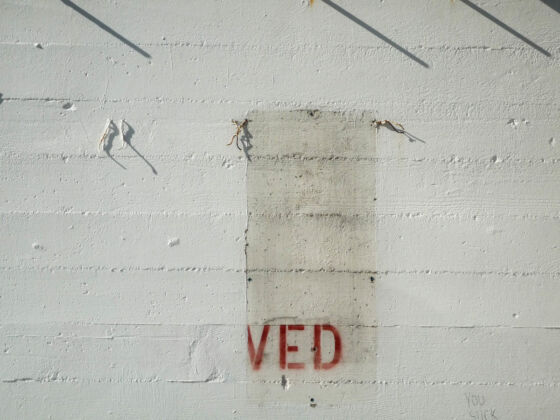
John Fraser works within the disciplines of Drawing, Painting, Sculpture, and Photography. Fraser’s earliest exhibited work was his photography, the primary focus of his practice from the mid-1970’s through the mid-1980’s. His early and current photographs are color compositions of forms, shapes, marks, and surfaces found in the built world that are in a state of flux, as affected by the passage of time.
